1. Assess what happened
The team learns what caused the contamination and how far it spread. It notes porous items such as carpet and mattresses that often cannot be fully disinfected.
Rylie, Dallas, TX · Dallas County
Unsure whether a Rylie property needs cleaning or full decontamination? Call (877) 812-4220 and describe it. Crews explain what they would remove, what they would disinfect and what stays.
If anyone is in danger, call 911 first. For a suicide crisis, call or text 988.
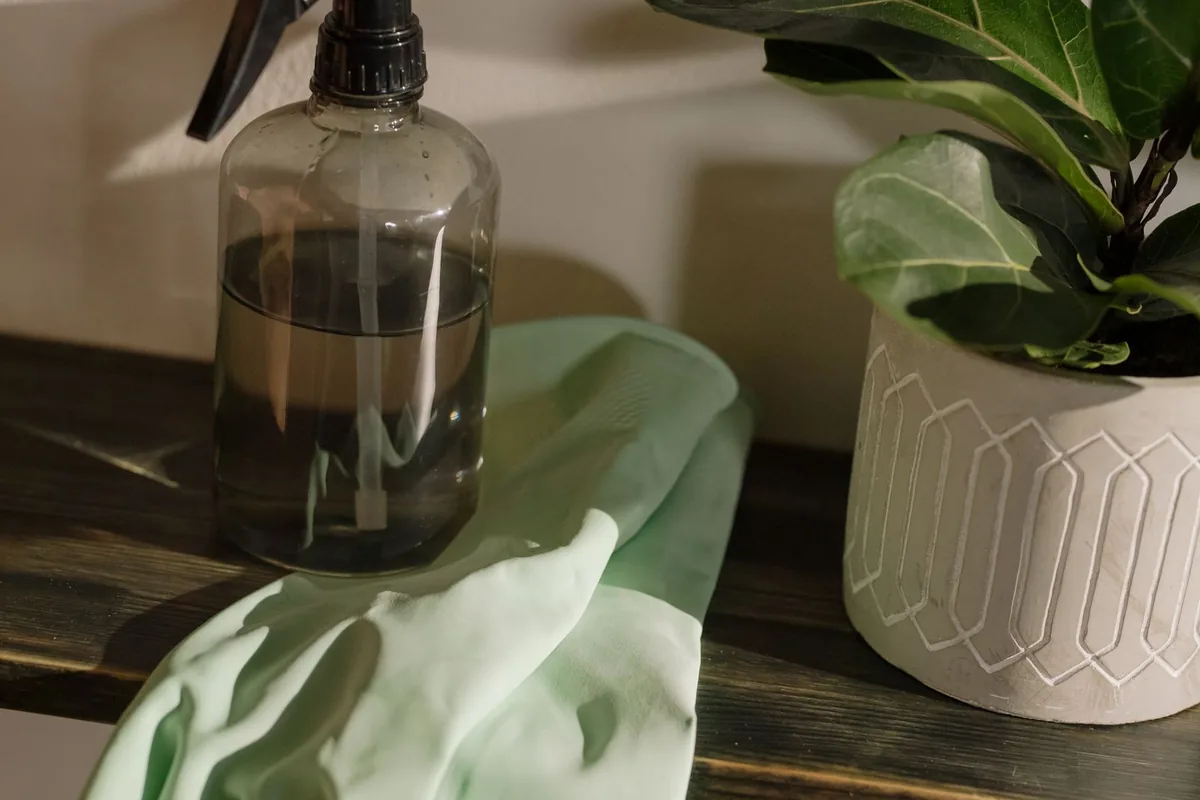
Biohazard decontamination is a controlled process with defined steps. The area is isolated, residue is cleaned off, a disinfectant stays wet for its labeled contact time and the finished surfaces are inspected.
Need biohazard remediation specialists in Rylie or Dallas County? Get help from Rylie Biohazard Cleanup Help. Your crew uses EPA-registered disinfectants, removes items that germs have soaked into and keeps each job discreet.
About 48% of homes in Dallas were built before 1980, and older flooring and trim hold contamination deeper than newer finishes. With about 58% of Dallas households renting, property managers frequently need a unit disinfected and documented before move-in.
A typical biohazard decontamination job includes:
The team learns what caused the contamination and how far it spread. It notes porous items such as carpet and mattresses that often cannot be fully disinfected.
Gloves, eye protection, respirators and disposable suits go on before the crew crosses the boundary. Doors and vents in the work area are managed.
Contaminated material is sealed and removed. Each surface is cleaned first, and the disinfectant is applied and left wet for its full contact time.
Odor sources are removed and the air is treated. Photos and notes are shared so the owner or insurer has a clear record.
Most biohazard decontamination jobs in Rylie, Dallas, TX cost between $1,000 and $15,000, based on published cost guides.
Porous materials drive the total. Carpet, padding, mattresses and upholstery that germs soaked into usually must be removed and replaced, and each item adds labor and disposal fees.
| Type of job | Typical range |
|---|---|
| Typical national range | $3,000 - $5,000 |
| Biohazard cleanup, published span | $1,000 - $15,000 |
| Residential average range | $1,800 - $4,500 |
These ranges come from published cost guides (Fixr, Yelp Costs, Biohazard cleanup company pricing guide) and are not a quote for Rylie. Price drivers include type of contamination, size of the space, surfaces affected, waste disposal. For a real number, call (877) 812-4220.
Cleanup removes blood, bodily fluids and other material from a scene. Decontamination makes the cleaned surfaces and the space safe again through cleaning and disinfecting. Most jobs include both, and the crew can explain how it treats each.
The property owner usually pays on their own property, often the owner, family or estate. In a rental, the lease and local law decide. If a violent crime was involved, the Texas Crime Victims' Compensation Program pays up to $2,250 for crime scene clean-up for crimes after July 14, 2016, with insurance used first. Questions go to (800) 983-9933.
Usually not. Crews arrive in unmarked vehicles, work quietly and keep details private. Tell the team if discretion matters, and it will plan around that.
Biohazard remediation is the full process of containing, removing and treating biological contamination. Decontamination is the last stage, where surfaces are disinfected and checked. Many companies use the two terms for the same job.
Workers who may contact blood or infectious material are covered by the OSHA Bloodborne Pathogens Standard, 29 CFR 1910.1030. Professional crews follow its rules on PPE and handling. Employers have their own duties, and safety staff can explain them.
A good team inspects every treated surface, treats leftover odors and explains what it did. Some teams add swab tests. Ask what the final check includes and ask for a record of the work. Testing rules vary by place.
Describe the contamination by phone and the crew explains how it would be treated.
Call (877) 812-4220